Effective Strategies for Caregivers
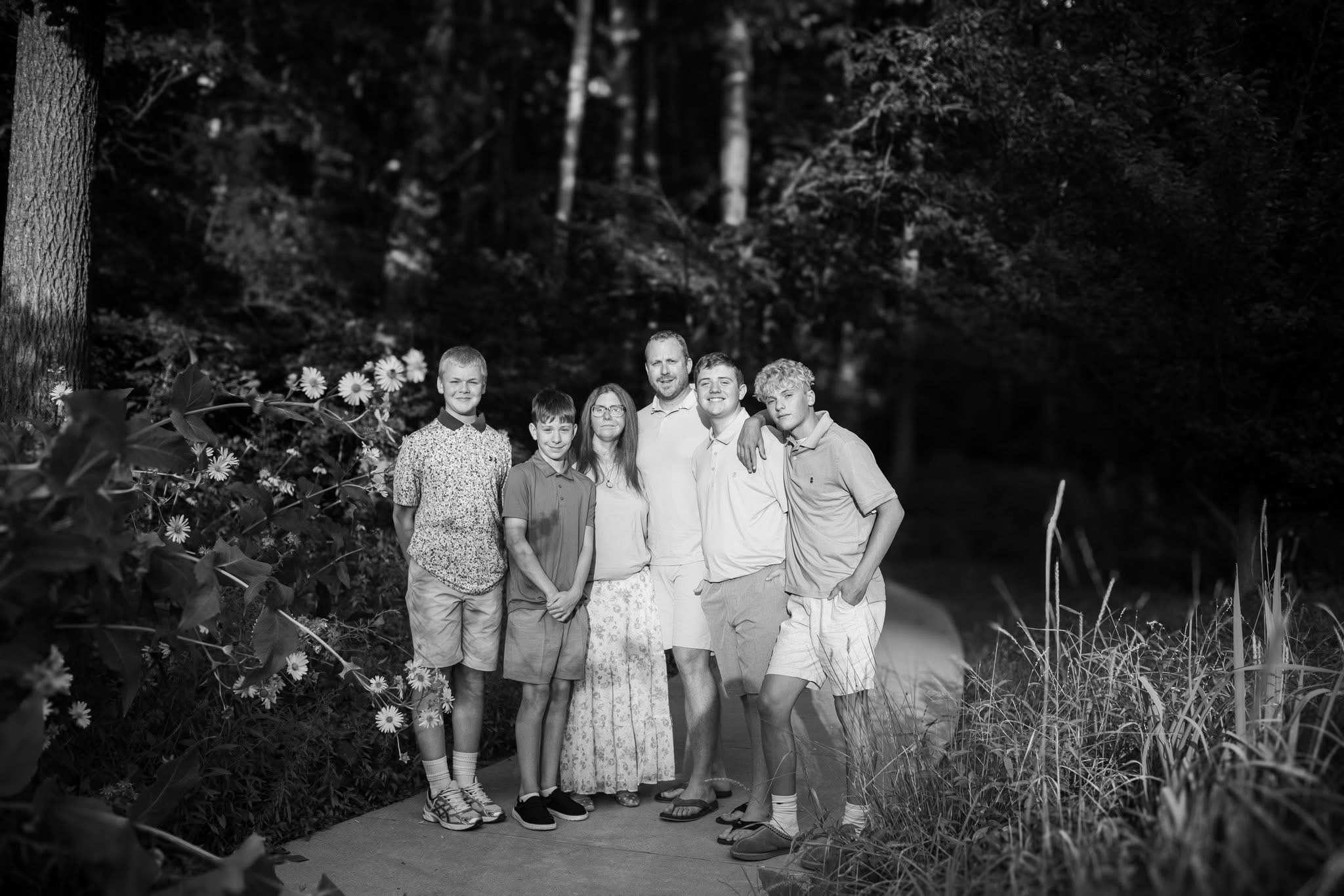
Taking care of someone recovering from a brain injury is no small feat. My husband has been there, and I know how overwhelming it must feel. The emotional rollercoaster, the physical demands, and the constant need to adapt can wear you down. But here’s the thing - with the right approach, you can find balance, strength, and even moments of joy in this journey. Let me share some effective strategies that have helped my husband and I, and countless others thrive as caregivers.
Understanding Caregiver Strategies for Support: The Foundation of Success
When my husband first stepped into the role of caregiver, he quickly realized that support isn’t just a nice-to-have; it’s essential. Caregiving requires a toolbox filled with practical strategies that help manage stress, improve communication, and maintain your own well-being.
One of the first things he learned was the importance of setting boundaries. It’s easy to say yes to every request or feel guilty about taking time for yourself. But trust me, as the survivor speaking to you, saying no or asking for help is a sign of strength, not weakness. For example, scheduling regular breaks and delegated tasks to family members or professional aides. This not only gives breathing room but also empowers others to contribute.
Another key strategy is staying organized. Brain injury recovery often involves multiple appointments, medications, and therapies. We have a shared calendar to track everything. It saved me from missed appointments and last-minute scrambles. Plus, having a clear overview reduces our anxiety.
Lastly, building a support network changed everything. Whether it’s joining a local support group, connecting with online communities, or leaning on friends, having people who understand your experience is invaluable. They offer advice, empathy, and sometimes just a listening ear when you need it most.

Caption: Staying organized helps manage complex care routines effectively.
Practical Caregiver Strategies for Support: Tools You Can Use Today
Let’s get down to the nitty-gritty. What can you do right now to make caregiving more manageable? Here are some practical tips that works wonders in our world:
Create a daily routine - Consistency helps both the survivor and the caregiver. It reduces confusion and builds a sense of normalcy. I mapped out meal times, therapy sessions, and rest periods. This routine became our anchor.
Use technology to your advantage - There are apps designed specifically for caregivers. From medication reminders to symptom trackers, these tools can lighten your mental load. I recommend trying a few to see what fits your style.
Practice self-care religiously - This isn’t just bubble baths and spa days (though those are great too). It means prioritizing sleep, eating well, and finding moments to recharge. My husband has a set routine to go to the gym every single day.
Educate yourself about brain injury - Knowledge is power. Understanding the survivor’s condition helps you anticipate challenges and respond effectively. We are constantly reading articles, attend workshops when able, and ask healthcare providers questions. It mkes you feel more confident and less helpless.
Communicate openly and honestly - Caregiving is a team effort. My husband makes a point to talk openly with the survivor (me) and family members about needs, feelings, and expectations. This transparency prevents misunderstandings and builds trust.

Caption: Technology can simplify caregiving tasks and improve daily management.
What strategies and practices would you implement to support family caregiver involvement?
Supporting family caregivers means recognizing their unique challenges and providing tailored assistance. If I were to design a support system, here’s what I’d focus on:
Regular training and education sessions - Family caregivers often feel unprepared. Offering workshops on brain injury care, stress management, and communication skills can boost their confidence.
Respite care options - Caregivers need breaks. Providing accessible respite services allows them to rest without guilt, reducing burnout.
Emotional support and counseling - Caregiving can be isolating. Creating spaces for counseling or peer support groups helps caregivers process their emotions and feel less alone.
Financial guidance and aid - Many caregivers face financial strain. Connecting them with resources, grants, or subsidies can ease this burden.
Involvement in care planning - Family caregivers should be active participants in medical decisions and rehabilitation plans. Their insights are invaluable and promote better outcomes.
Implementing these practices creates a more inclusive and supportive environment where caregivers feel valued and empowered.
Embracing the Power of Community and Resources
One of the biggest lessons we’ve learned is that you don’t have to do this alone. There are organizations and communities ready to help. For example, Moving Mountains offers incredible caregiver support strategies that connect you to vital resources and financial aid. Tapping into these networks can transform your caregiving experience.
Also, don’t underestimate the power of small acts of kindness from your community. Whether it’s a neighbor dropping off a meal or a friend offering to run errands, these gestures add up and lighten your load.
Staying Resilient: Mindset and Motivation for the Long Haul
Caregiving is a marathon, not a sprint. Maintaining resilience is crucial. Here’s how we keep going when things get tough:
Celebrate small victories - Every step forward, no matter how tiny, is worth acknowledging. Whether it’s a smile, a new word, or a better day, these moments fuel hope.
Practice gratitude - I personally keep a journal where I jot down things I’m thankful for. It shifts my focus from challenges to blessings.
Stay flexible - Brain injury recovery is unpredictable. Being adaptable helps us manage setbacks without losing heart.
Seek joy daily - Whether it’s a favorite song, a walk outside, or a funny movie, finding joy replenishes our spirit.
Ask for help without hesitation - I remind myself that needing support is human. Reaching out isn’t failing; it’s smart.
Remember, your well-being directly impacts the quality of care you provide. Taking care of yourself is not selfish - it’s essential.
Caregiving after a brain injury is tough, no doubt about it. But with the right strategies, support, and mindset, it’s possible to navigate this path with strength and compassion. If you’re looking for more guidance or a community that truly understands, check out Moving Mountains. We are dedicated to empowering caregivers and survivors alike, helping everyone thrive after injury. You’re not alone in this - and together, we can move mountains.


Comments