Effective Caregiver Support Techniques for Brain Injury Recovery
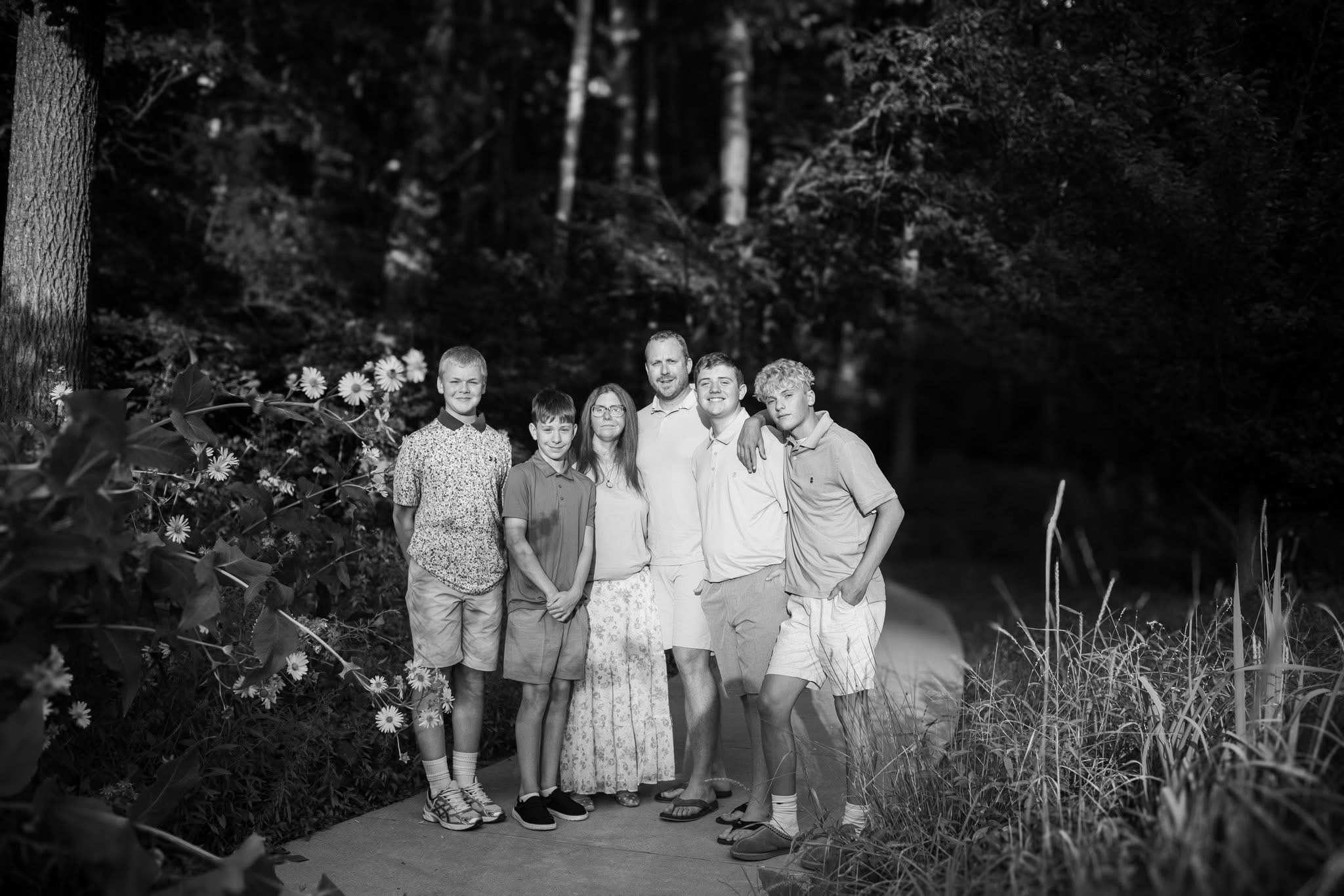
Caring for someone recovering from a brain injury is a journey filled with challenges, hope, and constant learning. I’ve been there, navigating the ups and downs, and I want to share what I’ve learned about effective caregiver support techniques that truly make a difference. This isn’t just about medical care; it’s about emotional resilience, practical strategies, and building a supportive environment that fosters healing.
Understanding the Role of Caregiver Support Techniques
When someone you care about suffers a brain injury, everything changes. The recovery process can be slow and unpredictable. That’s why having the right caregiver support techniques is crucial. These techniques help manage daily tasks, emotional stress, and the complex needs of brain injury survivors.
One of the first things I realized is that caregiving isn’t just about physical assistance. It’s about being a steady presence, a motivator, and sometimes, a patient listener. Here are some key techniques that have helped me and many others:
Routine Establishment: Creating a consistent daily schedule helps reduce confusion and anxiety for the survivor.
Clear Communication: Using simple, direct language and repeating information when necessary.
Patience and Flexibility: Understanding that progress may be slow and setbacks can happen.
Self-Care: Taking time for yourself to avoid burnout.
These techniques form the foundation of effective caregiving and can be tailored to fit individual needs.

Practical Caregiver Support Techniques to Implement Today
Let’s get into the nitty-gritty. What can you do right now to improve the caregiving experience? Here are some practical strategies that have worked wonders:
Use Visual Aids: Charts, calendars, and reminder notes can help the survivor keep track of appointments, medications, and daily tasks.
Break Tasks into Small Steps: Complex activities can be overwhelming. Breaking them down makes them manageable and less frustrating.
Encourage Independence: Support the survivor in doing as much as they can on their own, even if it takes longer.
Create a Calm Environment: Minimize noise and distractions to help with concentration and reduce stress.
Stay Informed: Educate yourself about brain injury recovery stages and what to expect.
I also found that connecting with other caregivers and professionals provides invaluable insights and emotional support. It’s okay to ask for help and lean on a community.
What strategies and practices would you implement to support family caregiver involvement?
Family involvement is a game-changer in brain injury recovery. When family members are actively engaged, the survivor benefits from a stronger support network. Here’s how I would encourage and support family caregiver involvement:
Open Communication Channels: Regularly update family members on progress and challenges. Use group chats or scheduled calls to keep everyone in the loop.
Assign Roles Based on Strengths: Each family member can contribute differently—some may handle medical appointments, others emotional support or household tasks.
Provide Education and Training: Offer resources and workshops to help family members understand brain injury and caregiving techniques.
Encourage Emotional Support: Family caregivers need to express their feelings and frustrations. Creating a safe space for this helps prevent burnout.
Celebrate Small Wins Together: Recognize progress, no matter how small, to keep morale high.
By fostering a collaborative environment, the entire family becomes a cohesive unit working towards recovery.

Navigating Emotional Challenges with Compassion and Strength
Let’s be honest - caregiving can be emotionally draining. You might feel overwhelmed, frustrated, or even isolated. I’ve been there, and it’s okay to admit these feelings. What matters is how you manage them.
Here are some ways to handle the emotional rollercoaster:
Practice Mindfulness: Taking a few minutes each day to breathe deeply or meditate can reduce stress.
Seek Support Groups: Connecting with others who understand your experience can be incredibly healing.
Set Realistic Expectations: Recovery is rarely linear. Accepting this helps reduce disappointment.
Celebrate Your Efforts: Remember, your dedication is making a difference, even on tough days.
Use Professional Help: Don’t hesitate to reach out to counselors or therapists for yourself or the survivor.
Emotional resilience is as important as physical care. When you take care of your mental health, you’re better equipped to provide compassionate support.
Leveraging Resources and Building a Support Network
No one should have to do this alone. There are countless resources designed to help caregivers and survivors thrive. I always recommend tapping into these to lighten the load and gain new perspectives.
Local Support Organizations: Groups like Moving Mountains offer vital resources and financial aid.
Healthcare Professionals: Regular consultations with therapists, neurologists, and social workers provide guidance tailored to your situation.
Online Communities: Forums and social media groups can connect you with others facing similar challenges.
Educational Materials: Books, webinars, and workshops help you stay informed and prepared.
Respite Care Services: Taking breaks is essential. Respite care allows you to recharge while ensuring your loved one is cared for.
By building a strong support network, you create a safety net that benefits everyone involved.
Moving Forward with Hope and Determination
Recovery from a brain injury is a marathon, not a sprint. It requires patience, adaptability, and a lot of heart. Using effective caregiver support techniques can transform this journey from overwhelming to manageable.
Remember, you’re not just a caregiver - you’re a lifeline, a cheerleader, and a source of strength. Every small step forward is a victory worth celebrating. Keep learning, keep connecting, and most importantly, keep believing in the power of recovery.
If you’re looking for more guidance, don’t hesitate to explore caregiver support strategies that can empower you and your loved one every step of the way.
I hope these insights help you feel more confident and supported as you navigate this path. You’re doing incredible work, and together, we can move mountains.


Comments