Moving Mountains: Overcoming Brain Injury Challenges with Resilience
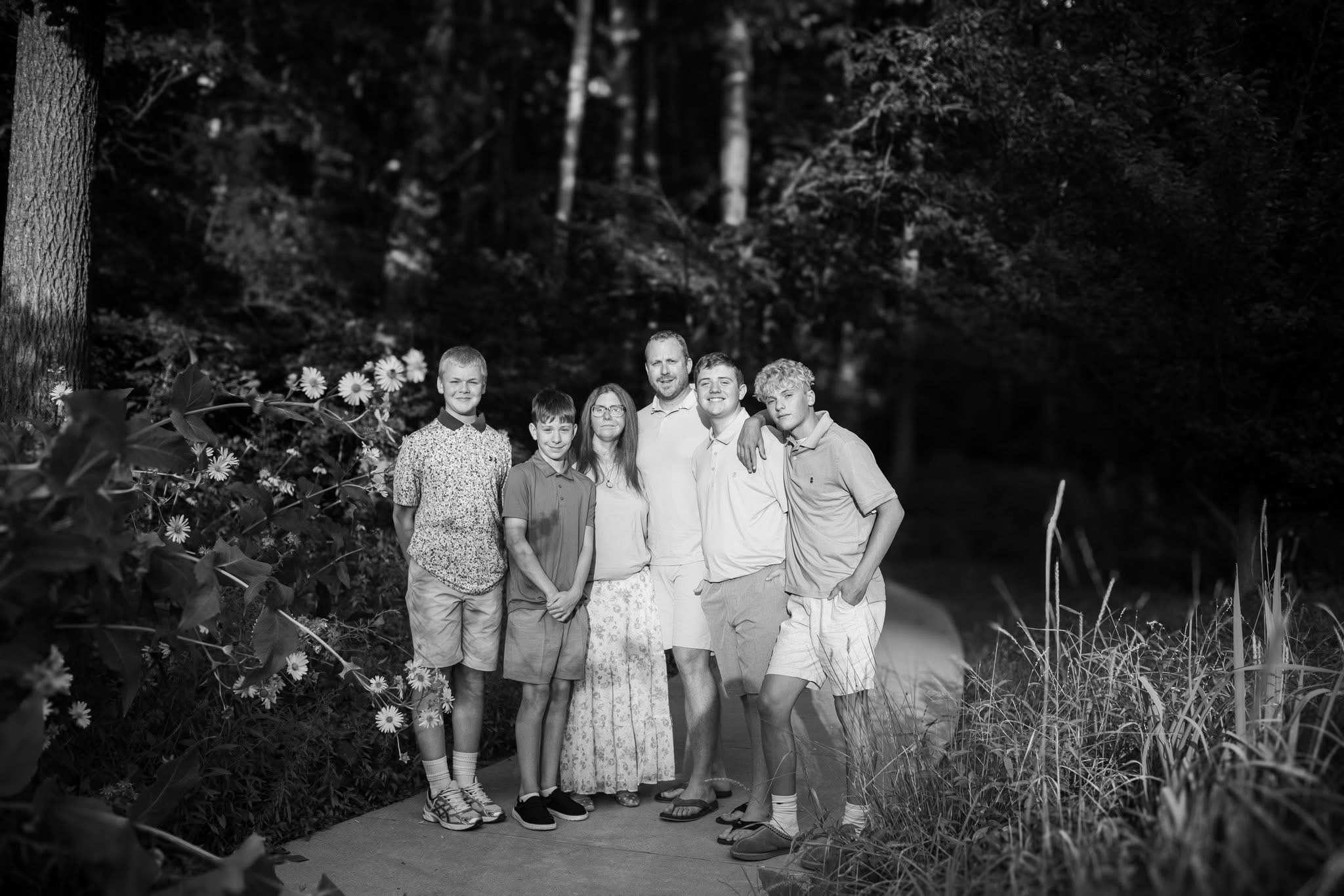
When I first faced the reality of brain injury recovery, I felt like I was staring up at a mountain that was impossible to climb. The journey ahead seemed overwhelming, filled with uncertainty and setbacks. But what I’ve learned—and what I want to share with you—is that recovery is not about rushing to the top. It’s about taking one step at a time, finding strength in small victories, and embracing resilience as your most powerful tool.
Brain injury recovery is a complex, deeply personal process. It challenges every part of your life—physical, emotional, cognitive. But it also reveals something incredible: the human spirit’s capacity to adapt, heal, and thrive. Let’s dive into how we can face these challenges head-on, support each other, and truly move mountains together.
Understanding and Overcoming Brain Injury Challenges
Brain injuries come in many forms—concussions, traumatic brain injuries (TBI), strokes, and more. Each injury is unique, and so is each recovery journey. What I’ve found helpful is breaking down the challenges into manageable parts and addressing them with patience and persistence.
Physical Challenges
Physical symptoms can range from headaches and dizziness to muscle weakness and coordination problems. These can be frustrating, especially when your body doesn’t respond the way it used to. But here’s the thing: rehabilitation is key. Physical therapy, occupational therapy, and regular exercise tailored to your abilities can rebuild strength and improve mobility.
For example, I started with simple stretches and balance exercises. Over time, I added walking and light strength training. It wasn’t easy, but every small improvement felt like a win. If you’re working with therapists, don’t hesitate to ask questions and share your goals. Your recovery team is there to help you tailor a plan that fits your needs.
Cognitive and Emotional Challenges
Brain injuries often affect memory, attention, and problem-solving skills. Emotional changes like anxiety, depression, or mood swings are also common. These can be just as tough as physical symptoms, if not tougher.
One strategy that helped me was creating routines and using memory aids—like calendars, alarms, and notes. Breaking tasks into smaller steps made them less overwhelming. And when emotions ran high, I found it crucial to talk openly with trusted friends, family, or counselors. Emotional resilience grows when you allow yourself to feel and express what’s going on inside.
Practical Tips for Daily Life
Set realistic goals: Celebrate progress, no matter how small.
Prioritize rest: Your brain needs downtime to heal.
Stay organized: Use planners or apps to keep track of appointments and tasks.
Ask for help: Accepting support is a sign of strength, not weakness.

The Power of Community and Support Networks
Recovery doesn’t happen in isolation. One of the most powerful lessons I’ve learned is the importance of connection. Whether it’s family, friends, support groups, or professional networks, having people who understand your journey can make all the difference.
Finding Your Tribe
Support groups—both in-person and online—offer a space to share experiences, exchange advice, and find encouragement. I remember joining a local brain injury support group and feeling an immediate sense of belonging. Hearing others’ stories reminded me I wasn’t alone, and their resilience inspired me to keep pushing forward.
Caregiver Support
Caregivers play a vital role in recovery, often juggling their own emotions and responsibilities. If you’re a caregiver, it’s essential to take care of yourself too. Seek out resources, respite care, and counseling if needed. Your well-being directly impacts the quality of care you provide.
Accessing Resources
There are many organizations dedicated to brain injury support, offering financial aid, educational materials, and advocacy. For example, Moving Mountains is committed to being a go-to support system, connecting survivors and caregivers to vital resources. Don’t hesitate to reach out and explore what’s available in your area.

Are Moving Mountains still together?
This question often comes up when people hear about the organization Moving Mountains. The answer is yes—they are very much active and growing. Their mission to empower brain injury survivors and caregivers remains strong. They continue to expand their network, offering new programs and financial assistance to those in need.
What makes Moving Mountains stand out is their genuine commitment to building a community where everyone can thrive after injury. They understand that recovery is not just about medical treatment but about emotional support, practical help, and hope.
Embracing Resilience: Real Stories, Real Strength
Resilience isn’t just a buzzword—it’s the backbone of recovery. I’ve met so many survivors who embody this spirit. One friend, after a severe TBI, relearned how to walk, talk, and even return to work. Another found new purpose by volunteering to help others facing similar challenges.
Here’s what these stories teach us:
Resilience is built daily: It’s about showing up, even when it’s hard.
Setbacks are part of the process: They don’t mean failure; they mean you’re human.
Celebrate every victory: From remembering a name to taking a solo walk, every step counts.
If you’re feeling stuck, try to focus on what you can do today. Write down your achievements, no matter how small. Reach out to someone who lifts you up. Remember, you are stronger than you think.
Practical Steps to Keep Moving Forward
Recovery is a marathon, not a sprint. Here are some actionable tips to help you keep moving forward:
Create a personalized recovery plan: Work with your healthcare team to set clear, achievable goals.
Incorporate mindfulness and relaxation: Techniques like meditation or deep breathing can reduce stress and improve focus.
Stay socially connected: Isolation can worsen symptoms; maintain relationships and seek new connections.
Educate yourself: Understanding your injury helps you advocate for your needs.
Use technology: Apps and devices can assist with memory, communication, and organization.
Above all, be kind to yourself. Progress may be slow, but every effort is a step toward healing.
Recovery from brain injury is a journey filled with challenges, but also with hope and possibility. By embracing resilience, building strong support networks, and taking practical steps every day, we can truly move mountains. If you or someone you care about is navigating this path, remember—you are not alone, and there is a community ready to walk alongside you.


Comments